Hither Green station bulky rubbish pickup rules and tips
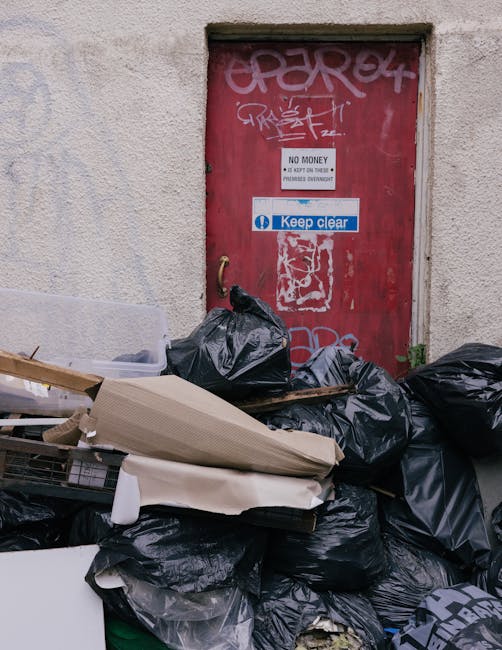
If you are trying to get rid of a sofa, broken wardrobe, mattress, or a pile of household clutter near Hither Green station, the process can feel annoyingly specific. One thing is for sure: bulky rubbish pickup rules and tips matter more than most people expect. The wrong item, poor timing, or a blocked access point can quickly turn a simple collection into a delay, extra charge, or an item left behind on the pavement. Nobody wants that, especially when the flat is already full of boxes and the hallway smells faintly of old carpet.
This guide explains how bulky waste collections usually work around a busy station area, what to check before you book, which items are typically accepted or refused, and how to avoid the usual headaches. It also covers when a booked pickup makes sense, when a different waste solution is better, and how to keep things safe, tidy, and efficient from start to finish.
Why Hither Green station bulky rubbish pickup rules and tips Matters
Hither Green station sits in a part of London where space is often tight, kerbside access can be awkward, and traffic can change quickly through the day. That is exactly why bulky waste rules matter. A collection that works fine on a quiet suburban road can become messy near a station-side street, a narrow terrace, or a block with limited parking. If items are left in the wrong place, they may obstruct footpaths, create trip hazards, or simply be ignored by the collector.
There is also a practical reason to pay attention: bulky rubbish usually involves larger, heavier, and more awkward objects than regular bin waste. A shattered wardrobe, a damaged fridge, or a sofa with a metal frame is not just difficult to lift. It can be unsafe if handled badly. The best collections are the ones planned with a little care before the van arrives, not after.
To be fair, most people do not think about waste rules until they are standing in a hallway with a mattress leaning against the wall and a booking window approaching. That is normal. The good news is the process becomes much easier once you know the basics.
Expert summary: The smoother the access, the clearer the item list, and the better the separation of bulky waste from prohibited materials, the fewer problems you will have on collection day.
How Hither Green station bulky rubbish pickup rules and tips Works
Bulky rubbish pickup typically means the collection of large household items that do not fit in normal bins. The exact rules vary depending on the service you use, but the working model is usually straightforward: you tell the operator what needs removing, they confirm what they can take, you agree a collection time, and the items are placed where the crew can access them safely.
Near Hither Green station, access is often the biggest practical issue. That can mean narrow roads, controlled parking, busy drop-off areas, or awkward stairwells in older properties. In real life, a collection team may need clear instructions such as which entrance to use, whether there is a lift, if the item is upstairs, and where a vehicle can stop without causing trouble. Small details make a big difference.
It helps to think in three parts:
- Item suitability: Is the item accepted, and is it safe to remove as booked?
- Access: Can the crew reach the item and load it without obstruction?
- Disposal route: Does the waste need special handling, recycling, or separate treatment?
If your load is more mixed than expected, a more flexible service may be better. For example, a broader rubbish removal visit can suit odd mixed items, while a larger domestic clear-out may be better served by domestic skip hire or even man and van support for lighter, faster loading. Truth be told, the best option is the one that matches the waste, not the other way round.
Another practical point: some bulky waste is technically "one item" but behaves like three. A sofa with a wooden frame, fabric covering, and embedded fixings can be more awkward than it looks. Same with wardrobes, exercise machines, and broken drawers. If it takes two people to move it safely, plan for that from the start.
Key Benefits and Practical Advantages
Using a clear, rule-aware bulky rubbish pickup service near Hither Green station is mainly about convenience, but the real benefits go further than that. You save time, avoid lifting injuries, reduce the chance of neighbour complaints, and keep waste moving into the right disposal route instead of sitting around for another week.
Some of the biggest advantages are pretty down to earth:
- Less disruption: a booked pickup can remove several awkward items in one visit.
- Safer handling: heavy items are less likely to be dragged, tipped, or damaged in transit.
- Cleaner access: clear collections reduce clutter in communal hallways, front gardens, or side returns.
- Better sorting: recyclable materials can be separated more easily.
- More predictable planning: you know when the waste is leaving, which is oddly reassuring when the room looks like a storage cupboard exploded.
For landlords, letting agents, and small businesses, the benefit is even simpler: it keeps the property usable. A leftover mattress in the hallway or a pile of broken office chairs can make a space feel neglected fast. In that sense, a smart pickup is not just waste removal; it is property upkeep.
If you are comparing disposal routes, it is also worth reviewing skip sizes and prices alongside what can go in a skip. Sometimes a collection service is best. Sometimes a skip is better. Sometimes, surprisingly, wait and load skip hire gives you the speed of a quick turnaround without leaving a skip on site. The right choice depends on the space you have and the sort of rubbish you are dealing with.
Who This Is For and When It Makes Sense
This kind of guidance is useful for anyone dealing with bulky household waste near Hither Green station, but it is especially relevant if you are short on space or time. A one-bedroom flat, a shared house, or a small office all bring different challenges. So do top-floor flats, basement storage rooms, and properties with no easy rear access.
You will probably find this most helpful if you are:
- clearing out a flat before a move
- replacing furniture and need the old items gone quickly
- sorting a probate or house clearance situation
- moving office furniture or archived clutter
- removing one or two oversized items that cannot fit in normal waste bins
- trying to avoid leaving bulky items on the street longer than necessary
It also makes sense if your waste includes items that need careful handling, like appliances, mattresses, or mixed furniture. In those cases, it is worth checking specialised services such as fridge and appliance removal or mattress and sofa disposal. These items often have extra handling considerations, and a lazy assumption can cause avoidable delays. And yes, a sofa looks simple until it has to come down two flights of stairs.
If the job is not household-based at all, a commercial route may be a better fit. For businesses, commercial skip hire or office clearance may be more efficient than a one-off bulky collection, especially if there is a lot of mixed material to sort through.
Step-by-Step Guidance
Here is a practical way to handle bulky rubbish pickup without making a mess of the process.
- Make a complete item list. Write down every item, even the awkward bits. "Old sofa" is fine, but "three-seat sofa with loose armrest and metal feet" is better.
- Check what can be collected. Some services can take mixed bulky waste, while others exclude certain items. If in doubt, compare it with the guidance in what can go in a skip or ask for clarification before booking.
- Measure access points. Doorways, stair turns, narrow hallways, lift size, and parking distance all matter. A tape measure saves stress. A surprising amount of stress, actually.
- Separate restricted items. Paint tins, chemicals, gas canisters, and some electrical waste may need special disposal. Do not bury them under cushions and hope for the best.
- Place items safely for collection. Keep them where the crew can access them without blocking the pavement or communal entrance.
- Confirm timing and parking. Busy station areas can change quickly. If the vehicle needs a slot, think about that in advance.
- Keep the route clear. Move rugs, doorstops, bikes, bins, and other trip hazards out of the way.
- Do a final walk-through. Check cupboards, balconies, sheds, and under-stair spaces. People miss things there all the time.
If your collection is tied to a same-day move, end-of-tenancy rush, or last-minute clear-out, a fast-response service such as same day skip hire may also be worth considering for larger loads. It is not always the answer, but when deadlines are looming, speed can matter more than elegance.
Expert Tips for Better Results
In our experience, the best bulky rubbish collections are the boring ones. The boring ones are calm, tidy, and predictable. That is a compliment, by the way.
Here are the tips that genuinely help:
- Take photos before booking. A quick set of images helps describe the volume and shape of the waste more accurately.
- Keep items dry where possible. Wet upholstery, damp cardboard, and soggy wood can be heavier and messier than expected.
- Disassemble when sensible. Removing table legs, wardrobe doors, or bed slats can save space and reduce loading time.
- Group by material. Wood, metal, textiles, and electricals are easier to manage when separated.
- Check for hidden contents. Old drawers often contain chargers, paper, remote controls, or odd bits that should not go to waste. You will notice this only after the removal if you are unlucky.
- Be realistic about the load size. If it looks like two van loads, it is probably two van loads. Not one. Not "somehow it will fit".
Another useful tip: if the access is tight or the waste is only available in a short window, a wait and load skip hire arrangement may be more practical than leaving a container on site. That can work especially well near busy roads or where you want to avoid permit complications.
For mixed clear-outs, a service such as garage and loft clearance can also help when the bulky waste is mixed with box clutter, old storage items, and the sort of mystery objects every loft seems to accumulate over time.
Common Mistakes to Avoid
Most collection problems are avoidable, which is the annoying part. They happen because people guess rather than check. A few small mistakes can create a much bigger job for everyone involved.
- Leaving items too late. If the collection window is early, do not wait until the last minute to move everything.
- Misdescribing the waste. Saying "just some furniture" when there is also a fridge, mirror, and bagged rubbish is a recipe for confusion.
- Blocking access. Even a small obstruction in a hallway or entrance can stop the crew from working safely.
- Mixing restricted waste in with general bulky items. This is one of the fastest ways to create a rejected load.
- Forgetting parking constraints. Around a station, short stops can be difficult. Plan for where the vehicle will actually stand.
- Assuming one solution fits everything. A furniture job, a construction waste job, and a garden clear-out are different jobs. They should be treated that way.
A lot of people also underestimate how much a single item weighs once it is lifted and carried through stairs, door frames, and awkward landings. That is where service choice matters. For heavier, more industrial loads, builders waste removal or construction waste disposal may be more appropriate than a standard bulky pickup. If the material came from a renovation, do not pretend it is domestic rubbish just because it is now sitting by the front door.
Tools, Resources and Recommendations
You do not need a huge toolkit for bulky rubbish pickup, but a few simple things make the day go more smoothly.
- Tape measure: useful for door widths, stair turns, furniture dimensions, and vehicle access.
- Marker pen and labels: handy for marking items to keep, items to remove, and items to donate.
- Phone camera: helps you show the waste clearly if you are requesting advice or a quote.
- Sturdy gloves: good for handling splintered wood, broken fittings, or dusty storage items.
- Reusable sacks or boxes: useful for sorting loose contents before collection.
- Bin bags for small loose waste: because one sofa usually comes with a cloud of other tiny things around it.
For more structured support, it can help to review the provider's policies and service pages before booking. The health and safety policy, insurance and safety, and recycling and sustainability information are useful places to understand how waste is handled and what standards the business follows. If you want to understand the company itself a little better, the about us page is also worth a look.
One more practical recommendation: if the pickup is part of a bigger property clear-out, do not treat it as an isolated task. Sometimes the smartest route is a broader service such as house clearance, site clearance, or construction waste clearance. That can save multiple trips and reduce the chance of odd items being left behind.
Law, Compliance, Standards, or Best Practice
While this article is practical rather than legal advice, there are a few UK waste-handling principles worth keeping in mind. Waste should be stored, moved, and handed over in a way that avoids hazards to the public, workers, and neighbours. That means keeping pavements clear, preventing sharp edges from becoming dangerous, and not mixing problem materials with general bulky waste.
For householders, the safest best-practice approach is simple: make sure the waste is described honestly, kept accessible, and presented in a way that the collection team can handle without unnecessary risk. For landlords, businesses, and managing agents, record-keeping matters too. You should know what was removed, roughly what it was, and whether any special items were separated out.
If the load includes items like solvents, asbestos-related materials, pressurised containers, or other hazardous materials, they should not be put out with normal bulky rubbish. Those need a specialist route such as hazardous waste disposal. That is not a box-ticking detail; it is a basic safety requirement. Ignoring it can put people at risk very quickly.
For electricals, refrigeration units, or confidential business material, separate handling is often the better standard. Services such as confidential shredding and fridge and appliance removal exist for a reason. Different waste types behave differently. Simple as that.
Options, Methods, or Comparison Table
Choosing the right disposal method depends on volume, access, item type, and timing. Here is a plain-English comparison to help you decide.
| Method | Best for | Pros | Watch-outs |
|---|---|---|---|
| Bulky rubbish pickup | Single items or modest loads of large household waste | Convenient, quick, minimal fuss | Needs clear access and item accuracy |
| Rubbish removal | Mixed general waste and awkward items | Flexible, good for mixed loads | May not suit very large clear-outs |
| Domestic skip hire | Home clear-outs, refits, ongoing tidy-ups | Good capacity, simple for repeated use | Needs space and possibly a permit |
| Grab hire services | Large loose waste, heavier mixed material | Fast loading, less manual handling | Needs suitable access for the vehicle |
| Man and van | Light to medium loads, lots of lifting, flexible collections | Handy for small properties and quick turnarounds | Not ideal for very bulky or heavy loads |
If you are unsure which method fits, think about the shape of the job, not just the amount. A small pile of dense items can be harder than a larger pile of lighter waste. That is where a quick consultation helps.
Case Study or Real-World Example
Imagine a tenant leaving a two-bedroom flat near Hither Green station after a long, slightly frantic weekend of packing. There is a dismantled bed frame, a worn-out sofa, a chest of drawers with one broken runner, and two old kitchen appliances in the hallway. The flat has a narrow staircase, no lift, and limited space outside. It is exactly the sort of situation where a vague plan causes trouble.
The smart approach would be to separate the items first. The appliances would be checked for specialist handling, the furniture would be grouped together, and the collection point would be chosen so the crew could move without blocking neighbours. Photos would be taken before booking. Measurements would be checked. A realistic time window would be agreed rather than an optimistic one. Not glamorous, but effective.
In a situation like that, the difference between "it all got done" and "there was a problem with the pickup" is usually just planning. The funny thing is, the actual loading often takes less time than all the guessing beforehand.
For a similar mixed load, a provider might suggest a combination of mattress and sofa disposal, general rubbish removal, and if needed a larger clear-out option such as house clearance. That layered approach is often more efficient than trying to force everything into one rigid booking.
Practical Checklist
Use this checklist before collection day. It saves a lot of awkwardness.
- All bulky items are listed clearly
- Restricted or hazardous items have been removed
- Access paths, stairs, and doorways are clear
- Parking or stopping space has been thought through
- Items are dry, safe, and easy to reach
- Any furniture that can be dismantled has been simplified
- Loose contents have been emptied from drawers, cupboards, or shelves
- Neighbours or building management have been informed if needed
- Photos and measurements are ready in case you need to confirm details
- You know who to contact if the plan changes
One small tip from experience: do one last sweep of the flat after the obvious items are moved. People nearly always discover a lamp, a spare chair, or a bag of cables sitting somewhere quiet. It happens. More than you would think.
Get a free quote today and see how much you can save.
Conclusion
Getting bulky rubbish picked up near Hither Green station does not need to be complicated, but it does need a little thought. The best results come from accurate item descriptions, clear access, sensible timing, and a disposal method that matches the waste rather than forcing the waste to fit the method. That is the real trick.
If you plan carefully, you avoid the usual frustrations: missed items, access issues, awkward lifting, and collections that drag on longer than they should. More importantly, you keep the process safe and respectful for everyone around you, which matters a great deal in a busy London neighbourhood.
So, whether you are clearing one sofa or tackling a bigger room-by-room tidy, take a few minutes to prepare properly. It tends to pay off. And once the clutter is gone, the space feels lighter in a way that is hard to describe until you hear the room echo a bit again.
Sometimes that clean, empty feeling is the best part.
Frequently Asked Questions
What counts as bulky rubbish near Hither Green station?
Bulky rubbish usually means large household items such as sofas, beds, wardrobes, tables, chairs, and other oversized waste that does not fit in a normal bin. Some providers also class certain appliances and mixed household items as bulky waste, but always check first.
Do I need to dismantle furniture before pickup?
Not always, but it often helps. If a wardrobe, bed frame, or table can be safely taken apart, collection is usually easier and quicker. That said, do not dismantle anything if it makes the item unsafe or exposes sharp edges.
Can I leave bulky items on the pavement for collection?
Only if the service you have booked says that is acceptable and the placement does not create an obstruction or hazard. In busy areas, especially near a station, you should be careful not to block footpaths, entrances, or access routes.
What items are usually refused?
Hazardous materials, chemicals, pressurised containers, and some specialist waste types are commonly refused from standard bulky pickups. Electrical items, fridges, and certain mixed materials may also need separate handling depending on the service.
How do I know whether I need a skip instead?
If you have a larger clear-out, repeated waste over several days, or a mix of household and renovation waste, a skip may be the better option. For some jobs, skip hire is more practical than one-off collection.
Is a bulky rubbish pickup suitable for flat clearances?
Yes, often it is. Flat clearances are a common use case, especially where there is a small number of large items or a modest mixed load. If the job is bigger, a service like house clearance may be more suitable.
What if my items are too heavy to move safely?
Do not force it. Heavy or awkward items can cause injury if handled badly. In that case, choose a service that includes lifting support or request a method better suited to dense loads, such as grab hire or man and van depending on the waste type.
Can mattresses and sofas be taken with general waste?
Sometimes yes, sometimes no. Many providers handle them separately because of size, hygiene, and disposal requirements. It is sensible to check mattress and sofa disposal options before booking.
What should I do with old appliances?
Appliances often need specific handling, especially fridges and freezers. They should not be assumed to be standard bulky waste. Look at fridge and appliance removal if they are part of your load.
How can I avoid extra charges?
Describe the waste accurately, check access carefully, and remove any restricted items before the crew arrives. In many cases, extra charges happen because the actual load or access conditions differ from what was originally described.
Does bulky rubbish pickup work for business waste too?
Yes, but business waste is often better handled through commercial services. If you are dealing with office furniture, archived clutter, or regular waste volumes, commercial skip hire or office clearance may be a better fit.
What is the most important tip for Hither Green station collections?
Make access easy and describe the waste honestly. That one habit solves more problems than any clever trick. If the crew can reach the items safely and knows what to expect, everything tends to run much more smoothly.
Where can I find more information about responsible waste handling?
It is worth reviewing a provider's recycling and sustainability information, along with their terms and conditions. That gives you a clearer picture of how waste is managed and what your responsibilities are as the customer.