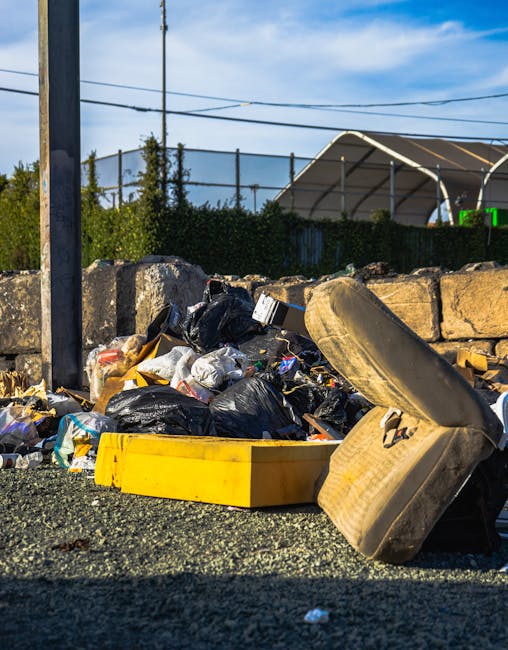
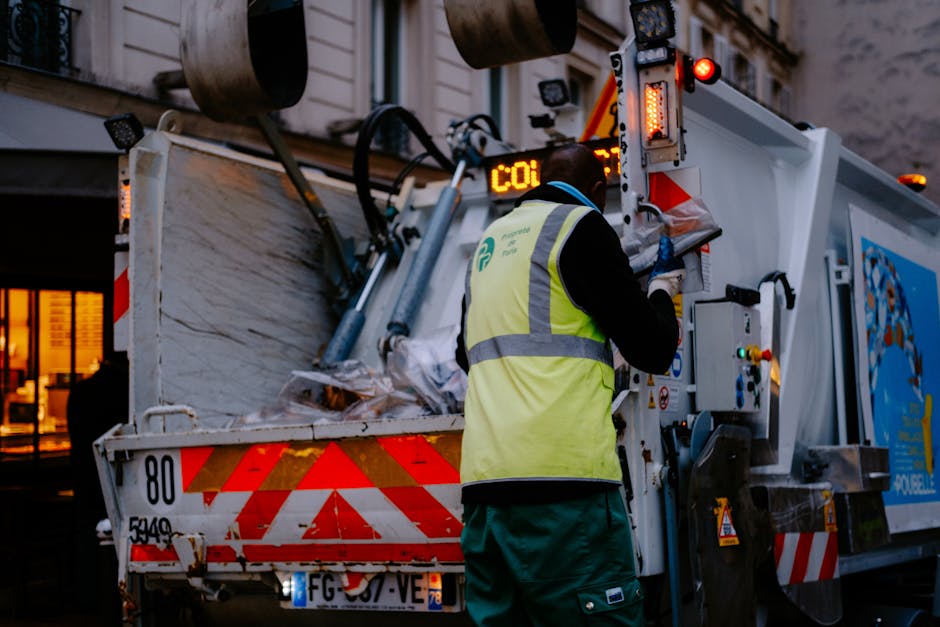
Rubbish removal Lee High Road top local services
If you are searching for Rubbish removal Lee High Road top local services, chances are you need a fast, straightforward way to clear waste without turning your day into a bigger job than it already is. Maybe it is a half-finished house clear-out, a pile of builder's rubble, or a garden that has quietly become a small wilderness. Either way, the right service should feel simple: clear pricing, reliable timing, proper disposal, and no faff.
Lee High Road is busy, lived-in, and full of properties that throw up different waste problems at different times. Flats, family homes, shops, offices, and building projects all create rubbish in different shapes and volumes. In this guide, we will break down how local rubbish removal works, what to look for, where the common traps are, and how to choose a service that actually makes life easier. Not just cheaper. Easier.
For readers who want a broader waste solution alongside clearance, it can help to compare rubbish collection with skip hire, grab hire services, or a quicker turnaround option such as same-day skip hire. Different jobs, different pressures. That's the whole point.
Table of Contents
- Why Rubbish removal Lee High Road top local services Matters
- How Rubbish removal Lee High Road top local services Works
- Key Benefits and Practical Advantages
- Who This Is For and When It Makes Sense
- Step-by-Step Guidance
- Expert Tips for Better Results
- Common Mistakes to Avoid
- Tools, Resources and Recommendations
- Law, Compliance, Standards, or Best Practice
- Options, Methods, or Comparison Table
- Case Study or Real-World Example
- Practical Checklist
- Conclusion
- Frequently Asked Questions
Why Rubbish removal Lee High Road top local services Matters
Good rubbish removal is not just about taking things away. It is about reducing stress, keeping spaces usable, and making sure waste ends up in the right place. On a road like Lee High Road, where access can be awkward and time matters, that becomes especially important.
Let's face it: rubbish has a habit of multiplying when you ignore it for a week or two. A small pile of bags becomes a bulky corner of a room. A few broken boards become a trip hazard. Garden cuttings turn into a damp, smelly mess after a wet spell. A reliable local service helps you get ahead of all that before it becomes a proper headache.
There is also a practical local angle. Busy residential streets, shared entrances, narrow parking spots, and timed access windows can all complicate waste collection. A team that understands local conditions can plan the removal more cleanly, which usually means less waiting around and fewer last-minute surprises. And to be fair, nobody wants a truck blocking the road longer than necessary.
For commercial and trade jobs, the stakes are a bit different. Missed clearances can delay work, affect safety, or slow a handover. That is why businesses often look beyond a one-off collection and consider services like commercial skip hire or office clearance when the job is bigger than a single load.
How Rubbish removal Lee High Road top local services Works
In plain English, rubbish removal usually works like this: you tell the provider what needs clearing, they assess the load, and then they remove it for sorting, transport, recycling, or lawful disposal. Some jobs are handled as a one-off collection, while others are organised around larger clear-outs or ongoing site work.
Most people start with photos or a short description. That helps the provider judge the amount and type of waste. If the waste is mixed, awkward, or heavy, the planning becomes more important. For example, a load of old furniture is one thing; a mix of soil, bricks, timber, and broken plasterboard is another. Very different job. Very different vehicle choice too.
Depending on access and volume, the service might use a van, a grab lorry, a skip, or a wait-and-load arrangement. If your property has limited parking or you only want the waste gone quickly, wait and load skip hire can be a smart middle ground. The vehicle arrives, the waste is loaded promptly, and the collection moves on without a skip sitting outside for days.
For bulkier loads, the operational side matters. Waste should be separated where possible, loaded safely, and sent to appropriate treatment or recycling. If the provider offers waste recycling services, that is usually a good sign that they are thinking beyond simple disposal.
Key Benefits and Practical Advantages
The best rubbish removal services do more than free up space. They save time, reduce physical effort, and help you avoid the mess and hassle of making multiple trips to a tip or transfer station. That alone is worth a lot for busy households and tradespeople.
- Speed: useful when a room, driveway, or site needs clearing quickly.
- Convenience: you avoid loading, transporting, and unloading waste yourself.
- Safer handling: heavier items and awkward materials are managed by people with the right equipment.
- Better sorting: recyclable materials can be separated more effectively.
- Less disruption: especially helpful where access is tight or space is limited.
Another advantage is flexibility. Some jobs are tiny and oddly specific. A mattress. A broken fridge. A few bags from a garage clean-out. Other jobs are big and chaotic, involving timber, packaging, old carpets, or builders' waste. A good local service adapts to the job instead of forcing you into one format.
That is where comparison becomes useful. A traditional domestic skip hire option suits longer clear-outs, but a direct collection can be better if you want the waste removed on the day and space is limited. Neither is automatically better. The right choice depends on the job.
Who This Is For and When It Makes Sense
This kind of service suits a lot more people than most expect. If you have ever looked at a room and thought, "Right, that's got to go this weekend," you already know the feeling. The service is for anyone who needs waste removed without managing the logistics themselves.
Common users include:
- Homeowners clearing lofts, garages, or spare rooms
- Landlords between tenancies
- Tenants moving out and dealing with leftover items
- Tradespeople producing builders' waste
- Small businesses clearing stock, packaging, or office clutter
- Gardeners and property owners dealing with green waste
It also makes sense when you have time pressure. A house move can expose all the junk you forgot existed. Renovation work can fill a hallway with debris by lunchtime. And seasonal clear-outs often happen when everyone else is busy too. Funny how that works.
For heavier trade loads, services such as builders' waste removal, construction waste disposal, and demolition waste removal are often a better fit than general clearance. They are designed for rougher, denser materials and the realities of site work.
Step-by-Step Guidance
If you want the process to go smoothly, a little preparation goes a long way. Not loads. Just enough to keep the job tidy and efficient.
- Identify the waste clearly. Sort out what is going, what is staying, and whether any items need special handling.
- Estimate the volume. Think in terms of bags, cubic space, or room occupancy rather than "quite a lot". That phrase is useless, frankly.
- Check access. Note stairs, narrow gates, shared hallways, parking restrictions, and loading space.
- Separate restricted items. Some waste types need special disposal routes, such as hazardous materials or certain electricals.
- Choose the right service type. Decide between direct rubbish removal, skip hire, grab hire, or a man-and-van style clearance.
- Confirm timing. Same-day, next-day, or planned collection all have different strengths.
- Ask about disposal and recycling. Good providers should be able to explain where the waste goes in broad terms.
- Book and keep the area accessible. If the team can reach the waste easily, everything tends to run more smoothly.
For more structured jobs, it can help to study the available formats before you book. The skip sizes and prices page is useful if you are comparing capacity and cost, while what can go in a skip helps you avoid loading the wrong materials by mistake.
Expert Tips for Better Results
In our experience, the best outcomes come from people who do a bit of sorting first. You do not need to make everything perfect. Just get the obvious stuff separated. Wood with wood. Cardboard with cardboard. Old furniture away from loose rubble. That small effort can make collection far cleaner and sometimes more cost-effective.
Another tip: take photos in daylight. Sounds simple, but it helps. Dark hallway shots at 7 p.m. rarely tell the full story. A clear image of the waste pile, access route, and loading point gives the provider a much better idea of the job.
Also, do not underestimate awkward items. Mattresses, fridges, and sofas are common examples. They are bulky, sometimes awkward to move, and can affect pricing or vehicle choice. If those are part of the load, it is usually sensible to look at specialist options like mattress and sofa disposal or fridge and appliance removal.
One more thing: ask what happens if the load turns out to be bigger than expected. A good provider will explain the process clearly rather than leaving you guessing on the kerbside. That kind of communication matters more than glossy promises.
Expert summary: the smoothest rubbish removal jobs are the ones where access is clear, waste is roughly sorted, and the service type matches the space you actually have, not the space you wish you had.
Common Mistakes to Avoid
People often make the same few errors, and most of them are easy to avoid with a little planning.
- Underestimating the amount of waste. One van load can turn into two if the pile is tighter than it looked.
- Mixing prohibited items with general waste. That creates delays and can mean extra handling.
- Ignoring access issues. A collection is much harder if the team cannot reach the load safely.
- Choosing purely on price. Cheapest is not always best when you need reliability, safety, and proper disposal.
- Leaving it until the last minute. Especially during a move or renovation, that tends to create avoidable stress.
There is also the matter of permits and street placement. If a skip needs to sit on the road, you may need to think about skip hire permits or broader skip permits. For some jobs, avoiding that issue altogether is simpler, which is why wait-and-load or direct removal can be so handy.
Truth be told, the biggest mistake is usually not the waste itself. It is not asking enough questions before booking. A two-minute conversation can save a lot of grief later on.
Tools, Resources and Recommendations
You do not need specialist software or a toolbox full of gadgets to organise rubbish removal, but a few practical resources make the process easier.
- Camera phone: take clear photos of the waste and access route.
- Measuring tape: useful for gates, doorways, and tight hallways.
- Simple checklist: note what is going, what stays, and what needs special handling.
- Calendar or reminders: helps if you are coordinating a clearance around movers, trades, or tenants.
- Provider guidance pages: useful for checking load types, access, and service formats.
If you are still deciding how to manage a project, consider whether the job is better suited to a van-based collection or a container-based solution. For example, man and van can suit smaller, quicker removals, while grab lorry hire is often more practical for bulky or loose materials.
For customers who need added security on site or at home, enclosed and lockable skip hire can help protect contents from tampering or weather. It is a niche need, but a real one.
Law, Compliance, Standards, or Best Practice
Rubbish removal is not just about convenience. Waste has to be handled responsibly, and in the UK that means working within accepted environmental and safety expectations. You do not need to memorise legislation to choose well, but you should expect any reputable provider to operate carefully and lawfully.
Best practice usually means:
- Waste is transported by a properly organised service
- Materials are sorted where possible for recycling or recovery
- Hazardous or restricted waste is handled separately
- Loads are not overfilled in unsafe ways
- Workers use sensible lifting and loading practices
If your job involves materials that may be hazardous, contaminated, or unusual, check before booking. That includes certain chemicals, asbestos-related materials, batteries, and anything that may pose a safety risk. Services such as hazardous waste disposal exist for a reason. Do not mix those items into a general rubbish load and hope for the best. That is a poor plan.
It is also wise to review provider policies if you want reassurance around standards. Pages like health and safety policy, insurance and safety, and recycling and sustainability can help you understand how a business approaches its responsibilities. Not glamorous reading, no. But useful.
Options, Methods, or Comparison Table
Choosing the right method depends on speed, volume, access, and the type of waste. Here is a simple comparison to help narrow things down.
| Method | Best for | Strengths | Watch-outs |
|---|---|---|---|
| Rubbish removal | General mixed loads, quick clearances, awkward access | Convenient, fast, flexible | May cost more for very large loads |
| Skip hire | Ongoing projects, DIY, longer clear-outs | Good capacity, flexible loading time | May need space or permits |
| Wait and load | Short-stay collections, limited parking | No skip left on site, quick turnaround | Requires you to have waste ready |
| Grab hire | Heavy, loose, or bulky waste volumes | Fast loading, good for site work | Needs suitable access for the vehicle |
| Domestic clearance | Household items, room clear-outs, household clutter | Simple for domestic jobs | Less suited to heavy trade waste |
If you are still unsure, the safest approach is to match the service to the job rather than the other way round. For garden work, for instance, garden waste removal is more focused than a general clearance. For property-scale clear-outs, house clearance or garage and loft clearance may be the smarter fit.
Case Study or Real-World Example
A typical Lee High Road scenario might look like this. A family has finished a long-overdue loft clear-out on a Saturday morning. There are old suitcases, cardboard boxes, broken shelving, a mattress, and a couple of heavy bags from the garden. The hallway is narrow, the front space is tight, and they want the clutter gone before the week starts.
In that situation, a same-day collection or wait-and-load arrangement can be a better choice than leaving a skip outside for several days. Why? Because there may be no easy place to keep a skip, and the family may not want to lose the limited parking they already have. A quick visit, careful loading, and proper sorting solves the problem cleanly.
Now imagine a different job. A small builder is stripping out a kitchen and bathroom in a nearby property. The waste is heavier: tiles, timber, fixtures, packaging, and broken fittings. There is ongoing debris across two days. Here, a more structured option such as builders' skip hire or builders' waste removal may be more practical because the waste volume keeps changing.
Same road. Different job. Different answer. That is the part people sometimes miss.
Practical Checklist
Use this before you book, or before a collection arrives. It keeps things simple.
- Have you listed everything that needs removing?
- Have you separated any items that need special handling?
- Do you know whether the waste is household, commercial, green, or trade-related?
- Have you checked access, parking, and any height or width restrictions?
- Do you need same-day collection, or can it be planned?
- Have you compared rubbish removal with skip hire or grab hire?
- Do you understand what the provider can and cannot take?
- Have you asked about recycling, sorting, and disposal methods?
- Do you know whether a permit might be needed if a skip is used?
- Have you read the provider's booking, pricing, and safety information?
If you want a clean next step, the easiest route is often to review pricing and quotes before committing, then use book online when you are ready. Simple. No drama.
Conclusion
The best rubbish removal service on or around Lee High Road is the one that fits your actual job, your access, and your timing. Not the one with the flashiest promise. Not the one that sounds cheapest on first glance. The right service should remove stress as well as waste, and do it with enough care that you barely have to think about the mess again.
Whether you are clearing a single bulky item, a room full of clutter, or a larger trade load, it helps to compare the available methods and choose the one that suits the space in front of you. Rubbish removal, skip hire, grab hire, and wait-and-load all have their place. The trick is knowing which one makes your day easier.
Get a free quote today and see how much you can save.
And if you are still weighing things up, that is fine. A sensible clearance decision is usually the one that leaves you calmer by tea time, not more tangled in the job than before.
Frequently Asked Questions
What does rubbish removal on Lee High Road usually include?
It usually includes collecting unwanted household, garden, office, or light trade waste, loading it safely, and taking it away for sorting and disposal. The exact scope depends on the provider and the type of waste involved.
Is rubbish removal better than skip hire for a busy street?
Often, yes. If parking is tight or you do not want a skip sitting outside, rubbish removal or wait-and-load can be easier. If you need time to fill the container over several days, skip hire may suit you better.
How do I know which service is right for my job?
Start by looking at the waste type, the amount, and your access. Small, quick collections usually suit rubbish removal. Ongoing renovation or bulky projects often suit skip hire or grab hire.
Can I get same-day rubbish removal?
Sometimes, yes. Availability depends on the provider and the time of booking. If you are in a rush, look for a service that offers fast response options such as same-day collection or same-day skip hire.
What items are commonly removed?
Common items include furniture, bags of clutter, old appliances, cardboard, garden waste, broken fixtures, and general household rubbish. Some items, like fridges or mattresses, may need specialist handling.
Do I need a permit for rubbish removal?
Usually not, because the waste is being collected directly. Permits are more often relevant when a skip needs to be placed on the public highway.
Can builders' waste be collected through a general rubbish removal service?
Sometimes light builders' waste can be collected that way, but heavier or mixed trade waste may be better handled through builders' waste removal, construction waste disposal, or grab hire.
What should I ask before booking?
Ask what the service can take, how pricing is calculated, whether recycling is included, how access affects the job, and whether there are any restricted items. A few direct questions save a lot of hassle.
How do I avoid hidden costs?
Be clear about the waste volume, access, and item types. Send photos if you can. The more accurate the description, the less chance of a mismatch between the quote and the real job.
Is rubbish removal suitable for landlords and letting agents?
Yes. It is often used after tenant move-outs, between tenancies, or when a property needs clearing quickly before viewings, decorating, or repair work.
What happens to the waste after collection?
Reputable providers sort and send waste to appropriate treatment, recycling, or disposal routes. The exact process depends on the material, but recycling is usually a key part of the journey where possible.
How do I prepare a property for collection?
Clear a route to the waste, separate anything staying behind, and make sure the team can reach the items without obstacles. If you have stairs, locked gates, or awkward parking, flag that in advance.
Can I combine rubbish removal with other clear-out services?
Yes, and that is often sensible. For example, you might combine a house clearance with garage and loft clearance, or pair garden waste removal with a general tidy-up after landscaping.
What if I am not sure whether my waste is hazardous?
Do not guess. If anything seems chemical, contaminated, or unusual, ask before booking. Hazardous waste disposal exists for items that should not be mixed with normal rubbish.